
Chelatietherapie
Chelating (uitgesproken als key-layting) zijn stoffen die band met, of chelaat (van het Griekse chele, klauw) kunnen chemisch, metalen, mineralen, of chemische gifstoffen uit het lichaam. De chelaatvormer eigenlijk omringt een mineraal of metaalion en voert deze uit het lichaam via de urine en ontlasting. Veel organische zuren in het lichaam of voedsel kan optreden als cheleermiddelen, zoals azijnzuur, ascorbinezuur (vitamine C), citroenzuur en melkzuur. Natuurlijke chelatie in het lichaam verantwoordelijk voor zaken als de spijsvertering, assimilatie en transport van voedingsstoffen die de vorming van enzymen en hormonen, en detoxificatie van toxische chemicaliën en metalen.
Intraveneuze chelatietherapie Daarbij injecteert de chelaatvormer EDTA in de bloedstroom ten behoeve van het elimineren van het lichaam ongewenste stoffen zoals zware metalen, chemische toxinen, mineralen en vette plaques (zoals in de bloedvaten, het middel bindt aan calcium in de plaques). EDTA (ethyleendiaminetetra-azijnzuur) is een effectief en uitgebreid bestudeerd chelaatvormer. Het kan niet chelaat kwik echter DMSA en DMPS, de chemicaliën die intraveneus werken kwik chelaat, zijn niet goedgekeurd door de FDA.
EDTA is een synthetisch aminozuur (aminozuren zijn de bouwstenen van eiwitten) en ongeveer eenderde als giftig voor het lichaam als aspirine. Chelatietherapie met EDTA werd geïntroduceerd in de geneeskunde in de Verenigde Staten in 1948 als een behandeling voor de leiding vergiftiging van de werknemers in een batterij fabriek. Kort daarna, de US Navy bepleit chelatietherapie voor zeilers die de voorsprong had geabsorbeerd tijdens het schilderen overheid schepen en faciliteiten. De FDA goedgekeurde IV EDTA chelatietherapie als een behandeling voor loodvergiftiging.
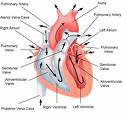
Artsen het toedienen van de chelatietherapie voor lood toxiciteit waargenomen dat patiënten die had ook atherosclerose (fatty-vorming van tandplak op de vaatwanden) of arteriosclerose (aderverkalking) ervaren daling van zowel de omstandigheden na chelatietherapie. Sinds 1952 zijn er IV EDTA chelatietherapie is gebruikt om hart- en vaatziekten te behandelen.
Meer dan 1800 artikelen in wetenschappelijke tijdschriften zijn gepubliceerd over het gebruik van EDTA in intraveneuze (IV) chelatietherapie. In de afgelopen 30 jaar, honderdduizenden patiënten hebben deze therapie ontvangen, zoals geleverd door meer dan 1.000 artsen in ongeveer 3.300.000 IV infusies. Slagingspercentage EDTA in toenemende bloedcirculatie is 82%, op voorwaarde dat de patiënten kregen voldoende chelatietherapie Meer nieuws per categorie Topic -:. Koop phentermine zaterdag levering ohio Tramadol hydrochloride tabletten Afbeelding van xanax pillen Gratis verzending goedkope phentermine kopen phentermine zonder voorschrift Veiligheid van phentermine Pyridium Generic viagra cialis Cialis generieke india Roze ovaal pil 17 xanax identificatie Koop gratis phentermine verzendkosten Beste prijs voor generieke viagra Informatie over straat drugs of xanax bars bestellen viagra Snorting phentermine Hydrocodon overdosis lithium Amiodaron Krijg online viagra bestellen viagra recept Bestel xanax betalen kabeljauw Goedkope phentermine gratis verzending Imiquimod tramadol volgende dag linkdomain online kopen viagra info domeinnaam kopen onlin Pfizer viagra sperma Vidarabine Cheapest viagra prijs Prevacid viagra cialis levitra vergelijking Dutasteride Lisinopril Thiotepa Vrouw spuiten viagra Zwarte markt phentermine Betamethason Cialis forums Hoe ziet xanax eruit Verlies phentermine verhaal succes gewicht Bestel xanax overnight Viagra alternatief uk dieet online phentermine pil bestellen xanax kabeljauw Mecamylaminum Eulexin Goedkope hydrocodon Koop goedkoopste viagra Viagra Xenical Phentermine zonder voorafgaande recept Xanax in de urine Macrodantin Goedkope phentermine met online consult Epivir Koop phentermine epharmacist Ditropan Vrouw gebruiken viagra cialis erectiestoornissen Xanax withdrawl message boards Viagra online winkel Atorvastatine generieke ambien Is phentermine verslavend Volgende dag levering op phentermine kopen online viagra Ethanol Natuurlijke phentermine Avandamet Xanax langdurig gebruik Dieet pagina phentermine pil geel 5 goedkope Goedkoopste veilige levering cialis uk Informatie medische phentermine Cialis ervaring Phentermine geen perscription vergelijk Ionamin phentermine viagra cialis levivia dosis vergelijking Noroxin effecten van viagra voor vrouwen kopen goedkope cialis Viagra houdbaarheid Hydroxyurea Phentermine korting geen recept Koop goedkope online viagra Hond xanax online cialis Viagra class action Viagra prijs Phentermine zonder recept en energie pil Hydrocodon kabeljauw alleen Nicoumalone Cheapest viagra goedkoop ambien Vicodin zonder recept Phentermine recept online Phentermine snuiven Mirtazapine Quazepam Isradipine kopen generieke viagra online Xanax look alike Moxifloxacine- Viagra ervaart Piroxicam Nicorette Gratis proberen viagra Sotalol Rembours verzending van phentermine Hoe kan ik stoppen met het nemen van phentermine Xanax recepten Goedkoopste phentermine 90 dagorder Niacinamide Phentermine gewichtsverlies Phentermine